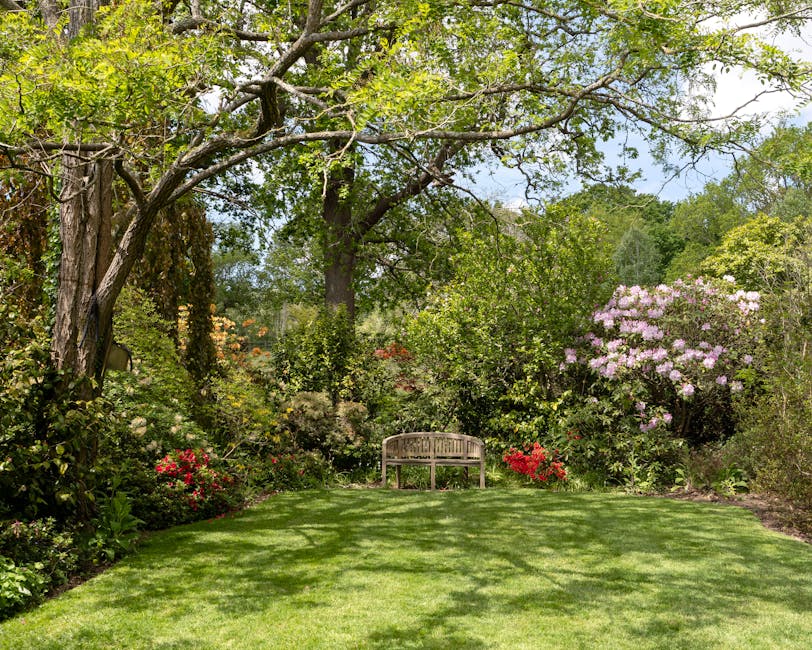
Cost guide for seasonal garden maintenance Stamford Hill 2026

If you are trying to budget for a tidy, healthy outdoor space this year, the Cost guide for seasonal garden maintenance Stamford Hill 2026 is the practical place to start. Garden care is rarely one single job. In real life, it shifts with the weather, plant growth, leaf fall, frost, weeds, hedge surges, and all the little surprises that make a London garden look lively one week and a bit unruly the next.
In Stamford Hill, that matters even more because gardens tend to be compact, shared pressures on space are common, and maintenance often needs to be timed carefully rather than done in one big sweep. This guide breaks down what seasonal maintenance usually includes, what affects the cost, how to compare options, and where you can keep spending sensible without cutting corners. A well-planned approach can save money, yes, but it also saves headaches. And let's face it, nobody wants to spend spring undoing winter neglect.
Why the cost guide matters
Seasonal maintenance is one of those things that feels easy to postpone right up until the garden starts showing it. A few missed weeks can mean thicker weeds, congested borders, a tired lawn, or hedges that suddenly need more serious work. That is where a cost guide becomes useful: it helps you understand the difference between routine upkeep and avoidable catch-up jobs.
For Stamford Hill homeowners, landlords, tenants with courtyard gardens, and anyone managing shared outdoor areas, seasonal maintenance costs also help with planning. Instead of paying for a frantic tidy-up after problems build, you can budget for regular care throughout the year. That usually gives you better value, because smaller jobs are simpler, quicker, and less disruptive.
It also helps to think in terms of outcomes, not just hours. A cheap visit that clears the surface but leaves hedges, lawns, and borders in poor shape can be poor value. On the other hand, a well-structured seasonal visit can reduce future spending by keeping growth manageable and plant health on track. That sounds a bit grand, but it is true.
In our experience, the biggest savings come from being honest about what the garden actually needs. Not every garden needs every job every season. Some need more lawn care. Others need help with shade, drainage, overgrown shrubs, or weed pressure. If you understand the real task list, you stop paying for guesswork.
How seasonal maintenance pricing works
Garden maintenance pricing usually reflects a combination of labour, time, access, waste handling, equipment, and the complexity of the work. Seasonal work in 2026 is no different. The same garden can cost more in one season than another simply because the workload changes. Spring growth, summer cutting, autumn leaf clearance, and winter protection all demand different levels of attention.
A practical way to think about it is this: most gardeners price by the job, by the hour, or by an agreed maintenance plan. Job-based pricing suits one-off tasks such as hedge trimming or patio cleaning. Hourly pricing can work for variable or unruly gardens. Planned seasonal maintenance is often best for clients who want consistency, because it gives everyone a clearer expectation of scope.
Several factors tend to push the price up or down:
- Garden size: bigger spaces take longer, but even small gardens can be fiddly if access is awkward.
- Condition: a tidy garden is cheaper to maintain than one that needs restoration work.
- Task mix: lawn care, hedge work, pruning, weeding, edging, and debris removal all affect time.
- Frequency: regular visits usually cost less per visit than sporadic rescue jobs.
- Waste disposal: green waste can add a noticeable cost if there is a lot of cuttings or heavy material.
- Specialist work: tree work, fence repairs, or large-scale landscaping sit outside basic maintenance and can change the budget significantly.
If you are comparing options, it helps to ask exactly what is included. A quote should ideally make clear whether it covers labour only, labour and materials, removal of waste, or follow-up visits. If you want a better sense of service scope before requesting quotes, look at the wider garden maintenance offering and the supporting gardening services available.
Key benefits and practical advantages
The most obvious benefit of seasonal maintenance is a better-looking garden. That is the visible bit. But the real value sits underneath. Regular seasonal care keeps plants healthier, reduces stress on lawns and shrubs, and catches small problems before they become expensive ones. A patch of weeds in April is annoying; the same patch left until late summer can become a proper battle.
Other practical advantages include:
- Better budgeting: you can spread cost across the year rather than face one large overhaul.
- Less reactive spending: fewer emergency fixes, less panic trimming, less "we'll sort it later" damage.
- Improved plant performance: seasonal pruning, feeding, clearing, and protection support stronger growth.
- Cleaner outdoor use: a maintained garden is simply more pleasant for sitting out, gardening with children, or entertaining.
- Reduced safety risks: overgrowth, slippery patios, and unstable branches are easier to manage when checked regularly.
There is also a mental benefit people rarely mention. A cared-for garden feels calmer. You open the back door and instead of a sigh, you get a small lift. That matters, especially in a busy part of London where outside space can feel like a precious extra room rather than just a yard.
If you want lower ongoing upkeep, it can be worth combining maintenance with practical design choices such as ground covers that suppress weeds or smart planting ideas from cost-effective low-maintenance garden hacks. Small design decisions can reduce seasonal costs more than you might expect.
Who this is for and when it makes sense
This guide is for anyone who wants to keep a garden under control without overpaying for it. That includes homeowners with small front or back gardens, landlords who need a reliable finish between tenancies, families who want a child-friendly outdoor space, and older residents who prefer to outsource the heavier work. It is also useful if you have inherited a garden that has become a bit overgrown and you are deciding whether to restore or maintain.
Seasonal maintenance makes the most sense when:
- your garden changes significantly through the year
- you have hedges, shrubs, or a lawn that needs regular attention
- you want to avoid the cost of full restoration later
- you value predictable spending more than one-off crisis clean-ups
- your schedule is already packed and garden chores keep slipping
It may also be the sensible option if you have specific pressures such as shade, wind exposure, pets, or narrow side returns that collect moss and weeds. A lot of Stamford Hill gardens are not huge, but they can still be detailed. Tiny spaces can be surprisingly time-consuming. They have a way of being like that, a bit cheeky really.
Step-by-step guidance
Here is the simplest way to plan seasonal maintenance costs without losing control of the budget.
- Walk the garden at the start of each season. Look for lawn thinning, hedge growth, fallen leaves, dead stems, weed spread, patio staining, and anything unsafe or blocked.
- Split the work into essentials and extras. Essentials are the jobs that protect health, safety, and plant condition. Extras are the nice-to-haves, such as shaping, edging perfection, or decorative refreshes.
- Decide what you can do yourself. Light deadheading, small pots, or sweeping may be worth doing in-house. More technical or time-heavy work often costs less overall when done professionally.
- Request a clear scope. Ask what is included, what will be charged separately, and whether waste removal is part of the quote.
- Compare like with like. A cheaper quote is not cheaper if it excludes essential jobs or bundles in hidden extras.
- Schedule by season, not by panic. Spring and autumn are often the most productive times to tackle maintenance properly.
- Review results after each visit. Did the garden improve in a visible, lasting way? Did the service reduce future work? If not, adjust the plan.
A very practical example: if you know your hedge always grows hard in late spring, schedule trimming before it gets too woody. That usually means cleaner cuts, faster work, and less mess. The same logic applies to lawn care and weeding. Timing saves money.
Expert tips for better results
One of the best ways to keep seasonal garden maintenance affordable is to reduce wasted labour. Clear access before a visit. Move loose furniture, pots, toys, and hoses out of the main work area. It sounds obvious, but it genuinely helps. Time spent shifting clutter is time spent on your bill if it is not already included.
Another useful tip is to group jobs sensibly. If your hedges need trimming, your lawn needs a cut, and your patio needs cleaning, doing them together may be more efficient than spacing them out in separate mini-visits. There is a rhythm to garden work, and once a team is already on site, switching between related tasks often makes sense.
Consider the garden's weak spots too. If you know one area is prone to weeds, address the root cause rather than repeatedly clearing the surface. The article on keeping a weed-free garden is a good companion read for that sort of thinking.
Some more practical pointers:
- Book ahead for peak seasons: spring and autumn schedules fill quickly.
- Be realistic about repair work: a garden that needs restoration is not the same as one needing routine maintenance.
- Use planting choices to lower upkeep: container displays, shade climbers, and ground covers can all reduce labour later.
- Protect vulnerable plants before cold snaps: a few timely steps can save a lot of replacement cost.
If winter is part of your maintenance plan, you may also want to explore winter plant protection advice and the broader thinking behind resilient garden design in changing weather.
Common mistakes to avoid
The most common mistake is choosing price before scope. A low quote can look tempting, but if it excludes waste removal, hedge shaping, or the extra time needed for a neglected space, the final cost may end up higher than expected. A quote should feel complete, not mysterious.
Another mistake is treating seasonal maintenance like a once-a-year event. It is rarely effective that way. Gardens respond to weather and growth cycles, not calendar optimism. A little attention at the right moment is usually cheaper than one big rescue later.
People also underestimate how much access affects pricing. Narrow side gates, steep steps, awkward rear access, and limited parking can all add time. In Stamford Hill, where access can be tricky in some properties, that detail matters more than many people realise.
Other avoidable errors include:
- leaving hedge pruning too late and turning it into corrective work
- ignoring drainage or moss issues on patios and decking
- overfeeding lawns or watering inconsistently
- assuming every gardener includes the same level of tidy-up
- forgetting to ask about insurance and safety procedures
On the last point, do not be shy about asking. A reputable provider should be comfortable discussing how they work, how they manage risk, and what happens if a job needs specialist handling. You can check the general approach through the site's insurance and safety information and health and safety policy.
Tools, resources and recommendations
If you are doing part of the work yourself, basic tools can make a surprising difference. A decent rake, secateurs, edging tool, lawn mower, sturdy gloves, a trug or waste bag, and a reliable sweeping brush cover a lot of ground. For slightly more detailed upkeep, a hedge trimmer, patio brush, and watering can or hose attachment can help too.
There is a useful balance to strike. Buying every gadget is not the answer. But cheap tools that bend, jam, or blunt quickly often create more work. The best approach is a small set of durable basics and a clear routine. The article on essential garden tools is worth a look if you want to tighten up your kit without wasting money.
For cost-saving design ideas, the following can help lower maintenance needs over time:
- vertical gardening for compact spaces
- container gardening
- evergreen climbers for low-fuss coverage
- ground covers that reduce bare soil
Sometimes the smartest budget move is not a better mower or a fancier feed. It is planting in a way that creates less work next season. Quietly brilliant, that.
Law, compliance, standards or best practice
Most seasonal garden maintenance is straightforward, but there are still a few things worth handling properly. If work involves waste removal, tree pruning, larger hedge work, or potentially hazardous tasks, it should be carried out with care and in line with accepted UK best practice. That includes sensible use of PPE, safe equipment handling, and proper disposal of green waste where required.
For homeowners and landlords, the key is not to overcomplicate things, but to ensure the work is safe and appropriately managed. If you live in a property with shared access, boundary issues, or neighbouring gardens, courteous planning matters too. Trimming overhangs, clearing cuttings, and keeping access routes tidy are small things that make a real difference.
It is also sensible to check the provider's terms before you book. That way you understand what happens if weather delays work, if the scope changes, or if additional tasks are discovered on site. You can review the site's terms and conditions, payment and security information, and complaints procedure for a clearer picture of how professional work is handled.
For anyone with an older, neglected, or structurally awkward garden, it is often wise to ask whether the job stays within routine maintenance or starts to resemble landscaping, tree work, or fencing. Those are different services, and they should be priced that way. A good provider will tell you honestly when the work is crossing that line.
Options, methods and comparison table
Choosing the right maintenance model can have a big effect on cost. The table below gives a simple comparison to help you weigh up the main options.
| Option | Best for | Cost control | Pros | Watch-outs |
|---|---|---|---|---|
| One-off seasonal tidy | Gardens that only need occasional reset | Good for limited needs, weaker for ongoing growth | Flexible, quick to arrange, useful before events or moves | Can become more expensive if repeated often |
| Quarterly maintenance | Typical small to medium gardens | Usually balanced and predictable | Stops problems building, spreads spend through the year | May still miss fast summer growth if not adjusted |
| Monthly or fortnightly care | High-maintenance or show gardens, busy households, shared spaces | Strong control over condition, higher total spend | Keeps everything neat, fewer surprise jobs | Costs more overall, may be unnecessary for simple gardens |
| Restoration followed by maintenance | Neglected gardens or newly purchased homes | Efficient long term, but upfront cost can be higher | Turns a problem garden into something manageable | Needs proper scoping, not a casual quote |
As a rule of thumb, routine seasonal maintenance is the most efficient option if your garden is already in decent condition. If it has drifted into neglect, you may need a restoration phase first. That is where a service like restoring neglected gardens becomes relevant, because maintenance alone will not solve a backlog.
Case study or real-world example
Here is a realistic example based on the kind of garden work people often need in Stamford Hill. Imagine a small rear garden with a narrow lawn, two medium hedges, a patchy border, and a patio that has picked up moss and grime over winter. The owner wants it tidy enough for family use from spring through autumn, but does not want to overspend.
In year one, the sensible approach is usually to separate the work into stages. First, bring the garden back to a manageable baseline: cut back the hedge, remove weeds, edge the lawn, clear the patio, and reshape the borders. Then move to a seasonal plan: a spring refresh, a summer maintenance visit, and an autumn tidy with leaf clearance and any light winter prep.
That approach normally works better than trying to do everything at once. Why? Because the gardener can see what actually needs attention once the clutter is gone. You stop paying for guesses. You also learn which areas of the garden are most expensive to maintain, which is often the part people forget to consider.
For this sort of property, the owner may decide to improve a few features to lower future spend: swap a difficult border for low-maintenance planting, use pet-friendly planting ideas if there is a dog, and reduce weed pressure with better ground cover. None of that is flashy. It is just clever use of money.
Expert summary: the best seasonal garden budget is not the cheapest quote. It is the one that matches your garden's actual condition, keeps growth under control, and prevents expensive catch-up work later.
Practical checklist
Use this checklist before you book seasonal garden maintenance in Stamford Hill.
- Review the garden in daylight and note visible problem areas
- Separate essential work from cosmetic work
- Decide whether you need one-off help or a seasonal plan
- Ask what is included in the quote
- Confirm waste removal, if relevant
- Check access issues, parking, and any timing constraints
- Ask whether the provider carries appropriate insurance and follows safety procedures
- Match the service to the season: spring reset, summer control, autumn clearance, winter protection
- Consider whether any part of the garden could be redesigned to lower upkeep
- Review the result after each visit and adjust the plan for next time
Conclusion
A sensible Cost guide for seasonal garden maintenance Stamford Hill 2026 is less about chasing the lowest number and more about understanding what your garden truly needs across the year. Once you do that, pricing becomes clearer, comparisons become fairer, and you are much less likely to overpay for patch-up work that could have been avoided.
The good news is that most gardens can be kept in excellent shape without constant spending. A bit of planning, the right seasonal rhythm, and a realistic view of scope will go a long way. And if you are deciding between a one-off tidy, a seasonal plan, or a bigger reset, the smartest step is simply to get a quote that spells everything out in plain English.
Get a free quote today and see how much you can save.
There is something reassuring about a garden that feels looked after, season after season. It does not need to be perfect. Just cared for, and quietly doing its job.
Frequently Asked Questions
How much does seasonal garden maintenance usually cost in Stamford Hill in 2026?
Costs vary depending on garden size, condition, access, and the type of work included. A simple tidy is usually cheaper than a full seasonal reset, and regular visits often work out better value than occasional emergency clear-ups.
What tasks are normally included in seasonal garden maintenance?
Common tasks include lawn cutting, hedge trimming, weeding, pruning, edging, leaf clearance, border tidying, and patio or path sweeping. Some plans also include waste removal and light plant care.
Is it cheaper to book maintenance seasonally or as one-off visits?
It depends on your garden. If your outdoor space needs attention throughout the year, seasonal or recurring visits are often more cost-effective. If the garden only needs occasional help, one-off work may be enough.
Why do some quotes for the same garden look so different?
Usually because the quotes do not include the same scope. One may cover labour only, while another includes waste removal, extra trimming, or more detailed clean-up. Always compare like with like.
Can I lower seasonal maintenance costs by doing part of the work myself?
Yes. Clearing access, moving furniture, light sweeping, and keeping on top of simple weeds can reduce the time needed on site. That said, heavier or more technical jobs are often best left to a professional.
When is the best time to schedule garden maintenance?
Spring and autumn are often the most useful times for bigger jobs, while summer may need lighter but more regular control. Winter work tends to focus on protection, clearance, and safety.
Do small gardens in Stamford Hill still need seasonal maintenance?
Definitely. Small gardens can be surprisingly time-consuming because they often have tight access, more detail, and faster weed pressure. In some cases, they need more frequent attention than larger spaces.
What if my garden is overgrown or neglected?
It may need a restoration visit before routine maintenance begins. Once the garden is back under control, a seasonal plan is usually more affordable and much easier to manage.
Should hedge trimming be included in seasonal maintenance?
Often yes, if the hedge is part of the regular garden maintenance plan. But larger or heavily overgrown hedges may be priced separately, especially if they require more time or specialist equipment.
Do I need to worry about safety or insurance?
Yes, it is sensible to ask. Any professional working in your garden should follow safe procedures and be covered appropriately for the work they carry out. That is especially important for ladders, tools, and larger cut-back jobs.
What is the best way to compare gardeners fairly?
Compare scope, not just price. Check what is included, how waste is handled, whether the quote covers seasonal changes, and whether the provider explains the work clearly. A well-written quote is usually a good sign.
Can seasonal garden maintenance help reduce future spending?
Yes. Regular upkeep prevents small issues from becoming larger and more expensive. It also lets you spot areas where better planting or design could reduce labour over time.