Stamford Hill emergency clearance case study by gardeners
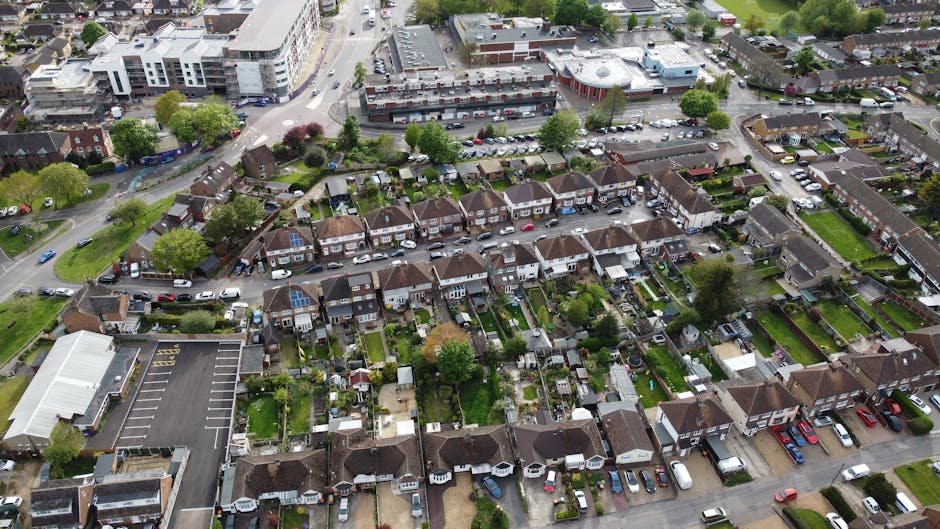
If you are looking at a Stamford Hill emergency clearance case study by gardeners, you are probably dealing with a space that has gone from manageable to urgent rather quickly. That might mean a garden blocked by overgrowth, a fallen branch after bad weather, a heavily cluttered outdoor area, or simply a property that needs to be made safe before work, letting, or sale can move ahead. In real life, these situations rarely arrive neatly. They happen on a wet morning, with a deadline hanging over everything, and a neighbour already peering over the fence. This article walks through how an emergency clearance is approached, what a good process looks like, and how to judge whether a team is properly prepared for the job.
We will look at why fast clearance matters, how the work is typically organised, what benefits people usually get from it, and the mistakes that can make a stressful situation worse. You will also find a practical checklist, a comparison table, and a realistic example so you can see the kind of decisions involved. For readers wanting to understand the wider service context, the main garden clearance service page and the company's gardening services overview are useful places to start.
Expert summary: emergency garden clearance is not just about speed. The best results come from quick triage, safe removal, sensible waste handling, and a clear plan for what happens after the immediate problem is under control. A rushed job can make things look tidy for a day; a good job leaves the property safer, cleaner, and easier to maintain.
Table of Contents
- Why Stamford Hill emergency clearance case study by gardeners Matters
- How Stamford Hill emergency clearance case study by gardeners Works
- Key Benefits and Practical Advantages
- Who This Is For and When It Makes Sense
- Step-by-Step Guidance
- Expert Tips for Better Results
- Common Mistakes to Avoid
- Tools, Resources and Recommendations
- Law, Compliance, Standards, or Best Practice
- Options, Methods, or Comparison Table
- Case Study or Real-World Example
- Practical Checklist
- Conclusion
- Frequently Asked Questions
Why Stamford Hill emergency clearance case study by gardeners Matters
Emergency clearance matters because delays tend to snowball. A blocked rear garden can stop access to sheds, drains, paths, and boundaries. Overgrown shrubs can hide broken paving or trip hazards. Storm debris can create a safety issue that needs addressing before someone slips, trips, or gets locked out of parts of the property. In a dense London area such as Stamford Hill, there is also the simple reality of shared boundaries, tight access, and limited room for mess. You do not always have the luxury of staging the work over a week.
One reason people search for a Stamford Hill emergency clearance case study by gardeners is that they want reassurance. Not slogans. Reassurance. They want to know how a team thinks under pressure: do they assess first, clear second, and tidy properly at the end? Or do they just start cutting and hope the rest sorts itself out? To be fair, in urgent work the difference is obvious within ten minutes. Good teams look calm, even if the job itself is messy.
This is also why aftercare matters. A genuinely useful emergency clearance should leave the space ready for the next sensible step, whether that is ongoing garden maintenance, lawn mowing, hedge trimming, or a more involved tidy-up plan. If you only fix the visible issue and ignore the cause, the same headache can come back fast. And nobody wants that again, honestly.
How Stamford Hill emergency clearance case study by gardeners Works
A proper emergency clearance usually follows a simple but disciplined sequence. That sequence matters because urgent jobs can go wrong when people skip straight to the cutting, lifting, or loading stage without understanding what is in front of them. The best approach is careful, practical, and slightly boring in the best way. No drama. No guesswork.
- Initial call or enquiry: the issue is described clearly, including access problems, hazards, urgency, and whether anything fragile, sharp, heavy, or potentially dangerous is involved.
- Rapid assessment: the team identifies the likely scope, the main risks, and what equipment or vehicle capacity may be needed.
- Safety-first planning: the work is organised around safe access, protective gear, and the order in which material should be removed.
- Clearance and sorting: waste is separated where practical, with reusable green waste, heavy items, and general debris handled appropriately.
- Final tidy and review: the area is checked, loose material removed, and the site left as usable as possible.
That is the ideal, and in most real situations it is the difference between a controlled job and an afternoon of avoidable chaos. A site that involves bramble growth, damp soil, broken branches, or hidden rubble needs more than muscle. It needs judgement. If there is tree-related damage, teams may need to bring in specialist support through tree surgery or tree lopping and removal. If fencing has been pushed over or damaged in the process, then fencing may become part of the wider recovery plan.
A good emergency clearance is usually tailored rather than templated. That sounds obvious, but it is where weak jobs often fall apart. One garden may need a quick opening-up of access paths. Another may need a full strip-out of heavy overgrowth and debris. Another may need a careful, staged clearance so that decking, patio edges, or boundary structures are not damaged. If the area includes hard surfaces, patio cleaning can also be a sensible follow-up once the space is clear enough to work on properly.
Key Benefits and Practical Advantages
The main benefit of emergency clearance is obvious: you regain control of the space quickly. But the practical advantages go beyond just having a clearer view of the garden. A well-handled clearance changes how safe, accessible, and manageable the whole property feels.
- Immediate safety improvement: removing unstable branches, clutter, and trip hazards lowers the chance of accidents.
- Better access: paths, side returns, sheds, gates, and drains become usable again.
- Less stress: when something urgent is hanging over you, a fast response gives you breathing room.
- More accurate next steps: once the mess is out of the way, you can see what the garden actually needs.
- Cleaner handover for landlords and sellers: emergency clearance can help a property become presentable more quickly.
- Reduced chance of pest or damp issues: overgrown, damp, debris-filled areas can make things worse if left untouched for too long.
There is a quieter benefit too. People often underestimate the emotional relief of seeing a neglected or blocked garden made manageable again. You open the back door and, for the first time in weeks or months, it looks like a usable space rather than a problem. That shift matters.
Some jobs also create a bridge into longer-term improvement. For example, once the clearance is done, the next sensible step might be lawn care, garden maintenance, or even broader landscaping. A lot depends on whether the property needs recovery, renewal, or simply a steadier routine after the emergency is out of the way.
Who This Is For and When It Makes Sense
This kind of service is not only for dramatic storm damage. In practice, a Stamford Hill emergency clearance case study by gardeners can be relevant to a wide mix of people and property situations. The common thread is urgency. If waiting creates a safety issue, an access issue, or a serious delay elsewhere, the job starts to make sense.
- Homeowners dealing with sudden overgrowth, broken branches, or a garden that has become unusable.
- Landlords who need a property cleared quickly between tenancies or before an inspection.
- Estate agents and sellers trying to improve first impressions fast.
- Families who simply need the back garden opened up again before children, pets, or visitors can use it safely.
- Local businesses or property managers with outdoor areas that must be made presentable without delay.
It also makes sense when small problems have stacked up. A little overgrowth, some fallen debris, and a stubborn path blockage may not sound like an emergency on paper, but together they can stop the garden being used at all. That is usually when people stop waiting and decide enough is enough. Fair enough, really.
For readers comparing service levels, it can help to look at the company background via the about us page, and to review practical details around pricing and quotes before moving ahead. If you are not yet at the emergency stage, a regular service plan can sometimes prevent the next urgent call.
Step-by-Step Guidance
If you are arranging emergency clearance, or trying to understand what a professional team should do, this step-by-step view should help. The point is not to turn a simple job into a grand process. The point is to keep it safe, quick, and sensible.
1. Describe the problem clearly
Be specific. Say whether the issue is overgrown planting, storm fall, blocked access, a broken structure, or general garden neglect. Mention narrow side access, front-to-back carrying distance, and anything that could affect timing. The clearer the brief, the better the plan.
2. Flag hazards before arrival
If there is broken glass, exposed nails, heavy timber, unstable tree growth, hidden rubble, or a slippery patio, that needs to be mentioned up front. Emergency clearance is not the time to keep quiet about awkward details. Nobody wins if the team discovers something nasty halfway through.
3. Agree the priority order
Some jobs need access restored first. Others need hazards removed before anything else. Sometimes the visible clutter is less important than what is hidden underneath it. A good crew will work out the correct order rather than starting with the easiest-looking pile. That sounds small, but it changes the whole outcome.
4. Carry out the clearance in sections
Working in sections helps prevent damage and keeps the site manageable. In a cramped Stamford Hill garden, this is often better than trying to blitz everything at once. Sectioning also makes it easier to sort material for removal and recycling.
5. Check what remains
Once the obvious waste is gone, the underlying condition of the space becomes visible. That is when you decide whether the next step is minor tidy-up, turf recovery, hedge work, or a more structured landscape gardening plan.
6. Leave a realistic after-plan
Emergency clearance should close with a simple plan for the next week or month. Otherwise the space can slide right back. Truth be told, that is where many tidy gardens quietly go wrong.
Expert Tips for Better Results
There are a few habits that make a big difference in urgent clearance work. They are not glamorous, but they save time, money, and hassle. And sometimes that is the whole game.
- Start with the access route. Make sure the path in and out is workable before tackling the biggest pile.
- Separate green waste from mixed debris. It keeps the job neater and makes disposal more efficient.
- Look for hidden damage. Damp wood, rotten posts, loose slabs, and trapped water often hide beneath surface clutter.
- Protect fragile edges. Beds, paving corners, and fencing panels can get damaged if people drag material carelessly.
- Do not overcut live growth too fast. In some cases, a staged trim is safer and healthier than a sudden hard cut.
- Plan the follow-up now, not later. If the garden needs mowing, hedge work, or maintenance, line it up before the space lapses again.
A small but useful tip: if you know the garden has areas with decking, steps, or slippery stone, mention that early. It changes how the team moves, carries, and stages the clearance. One missed step on a wet morning can turn a routine job into an awkward one very quickly.
There is also value in choosing a team that treats waste handling carefully. If sustainability matters to you, ask how green waste and mixed material are dealt with. The company's recycling and sustainability page gives a better sense of that approach, which is handy if you are trying to make a responsible choice rather than just a quick one.
Common Mistakes to Avoid
Emergency clearance is one of those jobs where the wrong move can double the work. A lot of avoidable problems come down to rushing the wrong part or making assumptions about what is under the surface. Here are the usual culprits.
- Calling it a simple tidy-up when it is not. If branches are unstable or access is blocked, the job needs proper planning.
- Not mentioning access restrictions. Narrow gates, long carry distances, or parking limitations can affect the whole operation.
- Ignoring hidden hazards. Old wire, broken glass, collapsed timber, and damp surfaces matter more than people think.
- Choosing speed without safety. Fast is good. Careless is not.
- Failing to plan the next stage. A cleared garden that is then left unmanaged will usually slip back into disorder.
- Assuming all waste can be handled the same way. Mixed debris, green waste, and bulky items often need different handling.
One more thing, and this catches people out all the time: do not stand in the garden mentally editing the job while the team is already trying to move it forward. If you know there is something fragile, hidden, or unusual, say it early. A five-second note can save a lot of bother.
Tools, Resources and Recommendations
Emergency clearance is not really about fancy gadgets. It is about using the right tools for the material, the access, and the safety conditions on site. The exact kit varies, but a good team normally thinks in terms of control, not brute force.
- Hand tools: useful for careful cutting, pruning, and separating dense growth.
- Cutting and clearance equipment: chosen to match the type of vegetation and debris.
- Protective gear: gloves, sturdy footwear, eye protection, and clothing suited to the conditions.
- Waste handling equipment: sacks, tubs, loading aids, and transport suitable for the volume and weight involved.
- Site protection items: used where paving, borders, or structures need shielding from accidental damage.
For most property owners, the most useful resource is not a tool at all. It is a realistic plan. The best recommendation is to separate urgent clearance from long-term improvement. First, make it safe and usable. Then think about lasting structure, planting, and upkeep. If the garden has become too unruly, a combination of garden clearance and later garden maintenance often works better than trying to solve everything in one go.
If you are comparing providers, take a moment to review how they present themselves, how they explain safety, and how clearly they handle practical matters like insurance and safety and payment and security. These pages are not glamorous, but they matter when the job is urgent and the budget needs to stay under control. A bit of boring admin now saves a lot of excitement later. And nobody needs that sort of excitement.
Law, Compliance, Standards, or Best Practice
For clearance work, the safest approach is to follow recognised UK garden and site safety best practice without pretending every job is governed by the same rulebook. In plain English, that means a professional team should work carefully around access, manual handling, sharp objects, unstable materials, and waste segregation. If the job involves trees, significant height, or structural risk, specialist judgement becomes more important, not less.
Good practice usually includes:
- assessing risk before work begins;
- using suitable protective equipment;
- handling loads sensibly to reduce strain and injury;
- keeping access routes clear;
- separating waste where practical;
- avoiding unnecessary damage to boundaries, paving, and planting beds;
- communicating clearly if the scope changes on site.
If you are a homeowner, you do not need to become a compliance expert. But you should expect the provider to explain what they are doing and why. That is especially important in urgent work, because urgency can tempt people into shortcuts. A reliable team will not do that. They will still move quickly, yes, but not recklessly.
In some cases, a job may also touch on property access, neighbour boundaries, or shared spaces. That is where clear communication matters. If a boundary panel has failed, or a tree is leaning towards a structure, the situation may require a more careful plan rather than a rushed clear-out. The phrase "it'll be fine" is not a strategy. Let's be honest.
Options, Methods, or Comparison Table
People often ask whether they should choose a quick cut-back, a full clearance, or a phased approach. The right answer depends on risk, access, and what the property needs after the immediate problem is solved. Here is a simple comparison.
| Approach | Best for | Strengths | Limitations |
|---|---|---|---|
| Quick cut-back | Light overgrowth and visible access issues | Fast, low disruption, often the cheapest option | May leave hidden debris and does not solve deeper neglect |
| Full emergency clearance | Blocked access, storm damage, heavy clutter, unsafe conditions | Restores use of the space and removes immediate hazards | More labour, more waste handling, may need follow-up work |
| Phased clearance | Complex gardens, fragile structures, mixed hazards | Safer around delicate areas and easier to budget in stages | Takes longer and needs more coordination |
In Stamford Hill, phased work can be especially useful where there are narrow side passages or closely bordered plots. A good crew can restore access first and then return to deal with the remainder. That is often a smarter way to avoid damage, especially when the garden includes old fencing, tired paving, or patchy lawn areas that need future attention through lawn care or patio cleaning.
Case Study or Real-World Example
Here is a realistic example of how an emergency clearance situation might unfold in Stamford Hill. The details are intentionally broad, because the point is to show the process rather than invent a dramatic story. A property owner contacts the team after strong weather leaves the rear garden difficult to access. The path is partly blocked by fallen material, the boundary area looks unstable, and the garden has become hard to assess because growth has thickened over time.
The first step is not to start cutting blindly. It is to establish what is safe to move, what needs careful handling, and what must wait until access improves. Once the team has a clear plan, the work begins with the route through the garden, followed by the removal of debris and the reduction of unstable growth. Mixed waste is separated where practical, and the most awkward material is handled in stages so the team can keep the site under control.
By the end of the visit, the owner is no longer staring at a blocked, uncertain space. They can get to the back of the garden, inspect what was hidden, and decide on next steps. In a case like this, the real win is not just tidiness. It is visibility. You can see the shape of the garden again. You can breathe a bit easier.
From there, the sensible follow-up might be a round of hedge trimming, some lawn mowing, or a broader tidy-through to restore structure. In some gardens, a small bit of repair work may also be needed through fencing or tree surgery. It depends on what the emergency clearance reveals, which is exactly why the clearance itself matters so much.
Practical Checklist
Use this checklist if you are preparing for an emergency clearance or comparing providers. It keeps the conversation focused and helps avoid the most common misunderstandings.
- Can the issue be described clearly in one sentence?
- Has the site access been checked, including side gates and carrying distance?
- Have any hazards been mentioned before arrival?
- Is the priority order clear: safety first, then clearance, then tidy-up?
- Will the team sort material sensibly rather than bundling everything together?
- Is there a plan for hidden damage once the clutter is removed?
- Do you know what follow-up work may be needed?
- Have safety, insurance, and payment details been reviewed?
- Will the garden be left usable, not just visually improved?
- Is there a longer-term plan so the same issue does not return?
If you can tick most of those boxes, you are usually in a much stronger position. And if a provider struggles to answer them, that tells you something too.
Get a free quote today and see how much you can save.
Conclusion
A Stamford Hill emergency clearance case study by gardeners is really a lesson in calm, practical problem-solving. The work is urgent, yes, but the best outcomes come from method, communication, and a proper safety mindset. Whether the issue is storm damage, heavy overgrowth, blocked access, or a garden that has simply tipped into disorder, the right clearance approach should restore control without creating new problems.
If you remember only one thing, make it this: emergency clearance is not just about removing mess. It is about making the space safe, understandable, and ready for whatever happens next. That is the part that truly changes the day for a homeowner, landlord, or property manager.
And once the pressure is off, the garden can start feeling like part of the home again. Which, frankly, is how it should be.
Frequently Asked Questions
What is included in an emergency garden clearance?
It usually includes removing urgent debris, cutting back unsafe or obstructive growth, restoring access, and leaving the area safe enough for normal use. The exact scope depends on the site and the problem.
How fast can a Stamford Hill emergency clearance be arranged?
That depends on workload, access, and the nature of the issue. Urgent jobs are often prioritised, but the first step is still a proper assessment so the work can be done safely and in the right order.
Is emergency clearance the same as regular garden clearance?
Not quite. Regular clearance is usually planned in advance and may be more flexible. Emergency clearance is about speed, safety, and restoring access or control quickly when waiting is not a good option.
Do I need to be at the property during the clearance?
Not always, but it helps if decisions may need to be made on site. If you cannot attend, clear instructions and good communication before the visit become even more important.
What happens if the garden hides damage under the overgrowth?
A careful team will stop and reassess rather than forcing ahead. Hidden damage is fairly common in neglected or storm-affected gardens, so it should be expected and handled sensibly.
Can emergency clearance include trees or large branches?
Yes, but only where it is appropriate and safe to do so. Larger or riskier tree work may need specialist handling through tree-related services rather than general clearance alone.
Will all the waste be removed the same day?
Often yes for straightforward jobs, but the answer depends on volume, access, and how much sorting is needed. Very large or complex clearances may be staged.
How do I know if I need hedge trimming, lawn care, or full clearance?
If the garden is generally healthy but untidy, maintenance services may be enough. If access is blocked, growth is out of control, or debris is creating a hazard, full clearance is usually the better fit.
Is an emergency clearance more expensive than a planned visit?
It can be, because urgent work often requires quicker scheduling and more flexible resource use. The main thing is to ask for a clear quote and understand what is included before work starts.
What should I ask before booking a clearance team?
Ask about access, likely hazards, waste handling, safety, insurance, and what happens if the job reveals more work than expected. Those answers tell you a lot about how the team operates.
Can a clearance job be done in stages?
Yes, and in some gardens that is the smartest approach. Staged clearance is often safer around fragile structures, narrow access, or mixed hazards, and it can help spread the work more comfortably.
What should happen after the emergency clearance is finished?
Once the immediate problem is solved, the next step is usually a maintenance or recovery plan. That might mean mowing, hedge work, light landscaping, or ongoing upkeep so the same issue does not return.